The Platform
Every model gets its own scaling policy
The MLSrvyn platform is four interconnected systems: Traffic Profiler, SLO Engine, GPU Allocator, and Fleet Dashboard.
01 — Traffic Shape Profiler
Traffic Shape Profiler
Continuous analysis of each endpoint's request distribution. Detects burst coefficient, diurnal periodicity, inter-arrival variance. Classifies into scaling archetypes: Bursty, Steady, Batch, Hybrid.
02 — SLO-Driven Scaling Engine
SLO-Driven Scaling Engine
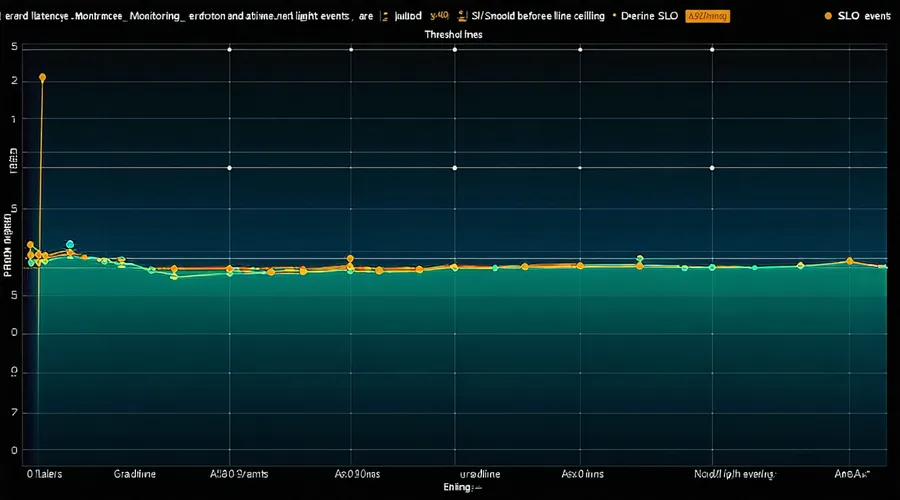
Define latency SLOs per model or per SLO tier. The engine monitors p50/p90/p99 in real-time and adjusts replica counts to maintain the SLO envelope — scaling up before a breach, not after.
03 — GPU Bin-Packing Allocator
GPU Bin-Packing Allocator
When the scaling engine decides to reduce replicas, the allocator rebalances workloads across fewer physical nodes before releasing GPU capacity. This prevents the classic waste pattern of 3 replicas on 3 partially-utilized nodes.
node-gpu-01: 31% util [rec-v3, llm-chat]
node-gpu-02: 28% util [rec-v3, scorer-fraud]
node-gpu-03: 34% util [llm-chat, scorer-risk]
node-gpu-01: 91% util [rec-v3, llm-chat, scorer-fraud, scorer-risk]
node-gpu-02: released ✓
node-gpu-03: released ✓04 — Fleet Dashboard
Fleet Dashboard
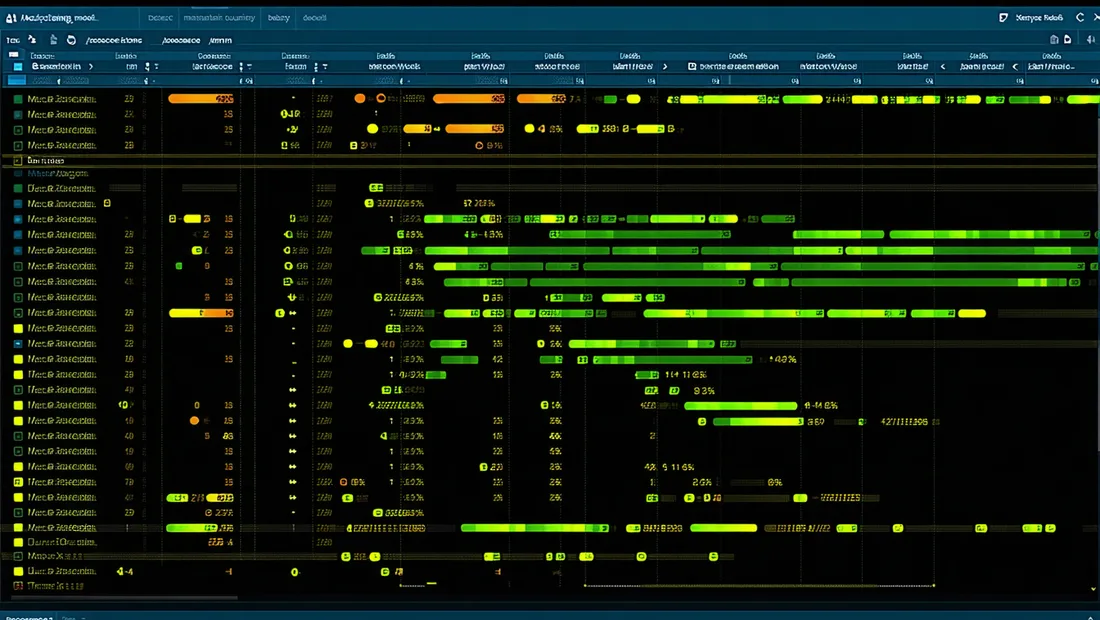
Unified view of all models in your fleet. Per-model SLO compliance, GPU utilization, replica count, traffic rate, and scaling event log. No more 100-tab Grafana hunting.
See it on your own fleet
Our team will run a 48-hour traffic analysis on your existing endpoints and show you the projected bin-packing savings before you commit.
MLSrvyn does not train models, host model weights, or replace your GPU cloud provider. It sits between your orchestration layer and your GPU fleet, managing how replicas are allocated and scaled. Your infrastructure stays yours.